
Practical Tips for Improving Home Air Quality

Indoor air quality matters. It affects health. It affects comfort. Poor air quality can cause headaches, allergies, and fatigue. It can worsen asthma and other respiratory issues. Improving home air quality is not hard. It takes simple steps. I will share what works best.
Simple Steps for Improving Home Air Quality
Start with ventilation. Open windows when weather allows. Fresh air dilutes indoor pollutants. Use exhaust fans in kitchens and bathrooms. They remove moisture and odors. Moisture control is key. Dampness encourages mold growth. Fix leaks and dry wet areas quickly.
Keep your home clean. Dust and vacuum regularly. Use a vacuum with a HEPA filter. It traps tiny particles. Wash bedding and curtains often. These can hold dust mites and allergens. Avoid smoking indoors. Smoke pollutes the air heavily.
Control sources of pollution. Choose low-VOC paints and cleaning products. VOCs are volatile organic compounds that harm air quality. Store chemicals and paints outside the living area. Avoid synthetic fragrances and air fresheners. They add chemicals to the air.

How to Improve Indoor Air Quality with Plants and Filters
Plants can help. Some houseplants absorb toxins. Spider plants, snake plants, and peace lilies are good choices. They add oxygen and humidity. But don’t rely on plants alone. They are a small part of the solution.
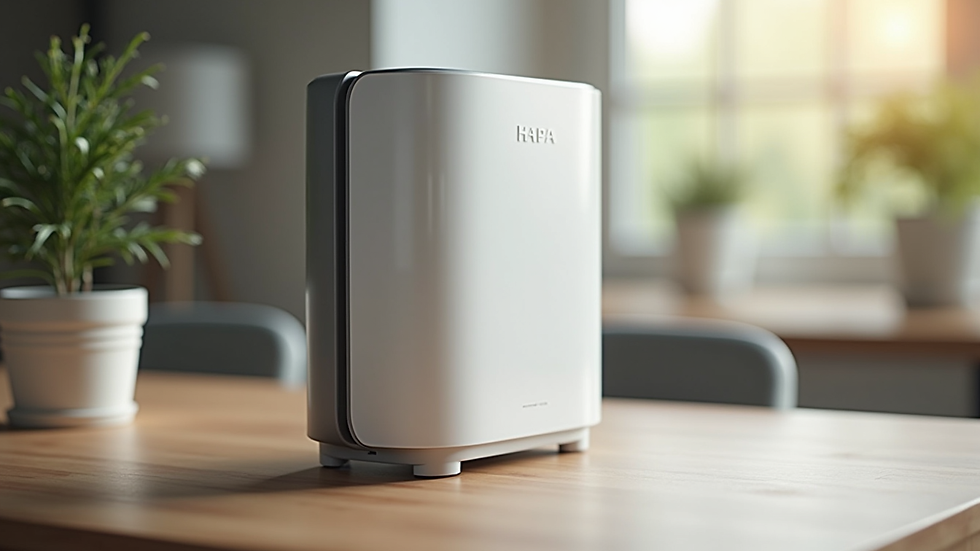
Air purifiers are effective. Choose one with a HEPA filter. It captures dust, pollen, pet dander, and smoke particles. Some purifiers also have activated carbon filters. These remove odors and gases. Place purifiers in rooms where you spend the most time.
Change HVAC filters regularly. Dirty filters reduce airflow and spread dust. Use high-quality filters rated MERV 11 or higher. Consider professional duct cleaning if ducts are dusty or moldy.
How do I naturally purify the air in my house?
Natural air purification is possible. Besides plants, baking soda can absorb odors. Place open boxes in rooms or refrigerators. Activated charcoal bags also work well. They trap moisture and odors.
Essential oils like eucalyptus or tea tree have antimicrobial properties. Use a diffuser but sparingly. Avoid overuse as some oils can irritate sensitive people.
Keep humidity between 30% and 50%. Use a dehumidifier if needed. Dry air can irritate lungs. Too much humidity encourages mold and dust mites.
Open windows for fresh air when possible. Cross-ventilation is best. Open windows on opposite sides of the house to create airflow.
Regular Maintenance to Keep Air Clean
Routine maintenance is crucial. Check for mold in hidden places like under sinks and behind appliances. Mold spores worsen air quality. Clean or replace humidifier filters monthly.
Inspect and clean vents and fans. Dust buildup reduces efficiency and spreads particles. Keep houseplants healthy. Remove dead leaves and avoid overwatering.
Avoid clutter. Clutter collects dust and makes cleaning harder. Store items in closed containers.
Creating a Healthier Home Environment
Improving indoor air quality is ongoing. It requires attention and effort. But the benefits are worth it. Better air means better health and comfort. It reduces allergy symptoms and respiratory problems.
If you want to learn more about how to improve indoor air quality, start with these steps. Small changes add up. Fresh air, clean surfaces, and good filtration make a big difference.
Breathe easier. Live better. Your home can be a safe haven with cleaner air. Take control today.


Comments